
Add battery storage or expand your system to get backup power and maximize your savings — without the upfront cost of buying the equipment yourself.
The Texas grid has failed twice in the last three years. A LiFePO4 battery keeps your lights on, fridge running, and AC humming for 24–48 hours during outages — and lets you arbitrage peak-time rates the rest of the year.
Household electric use keeps going up — EV chargers, home offices, heat pumps. If your original system was sized for pre-2020 usage, you're probably underproducing now. Adding panels solves it.
Homeowners can no longer claim the federal residential solar credit. On a provider-owned system the company that owns the equipment handles any credits it qualifies for — you just get a lower rate, with nothing to file at tax time.
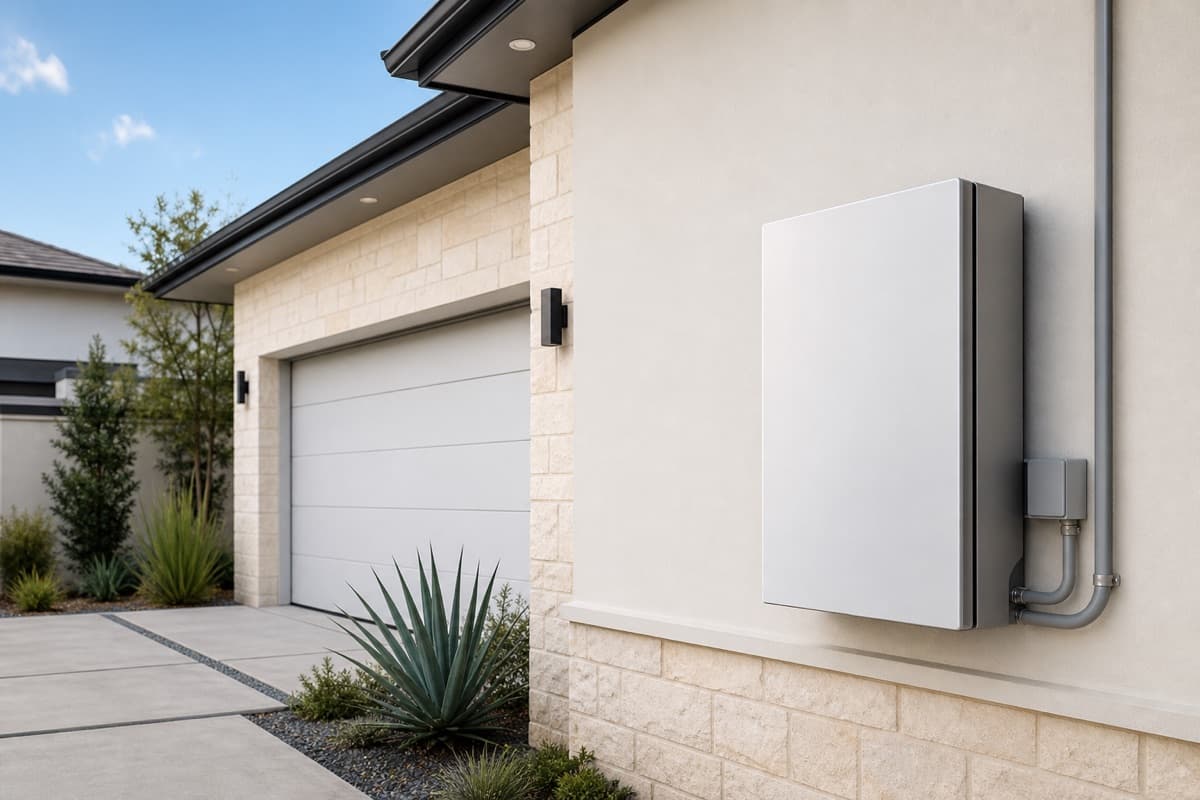
LiFePO4 backup (10–40 kWh) that works with your existing panels. No upfront cost on a provider-owned system.
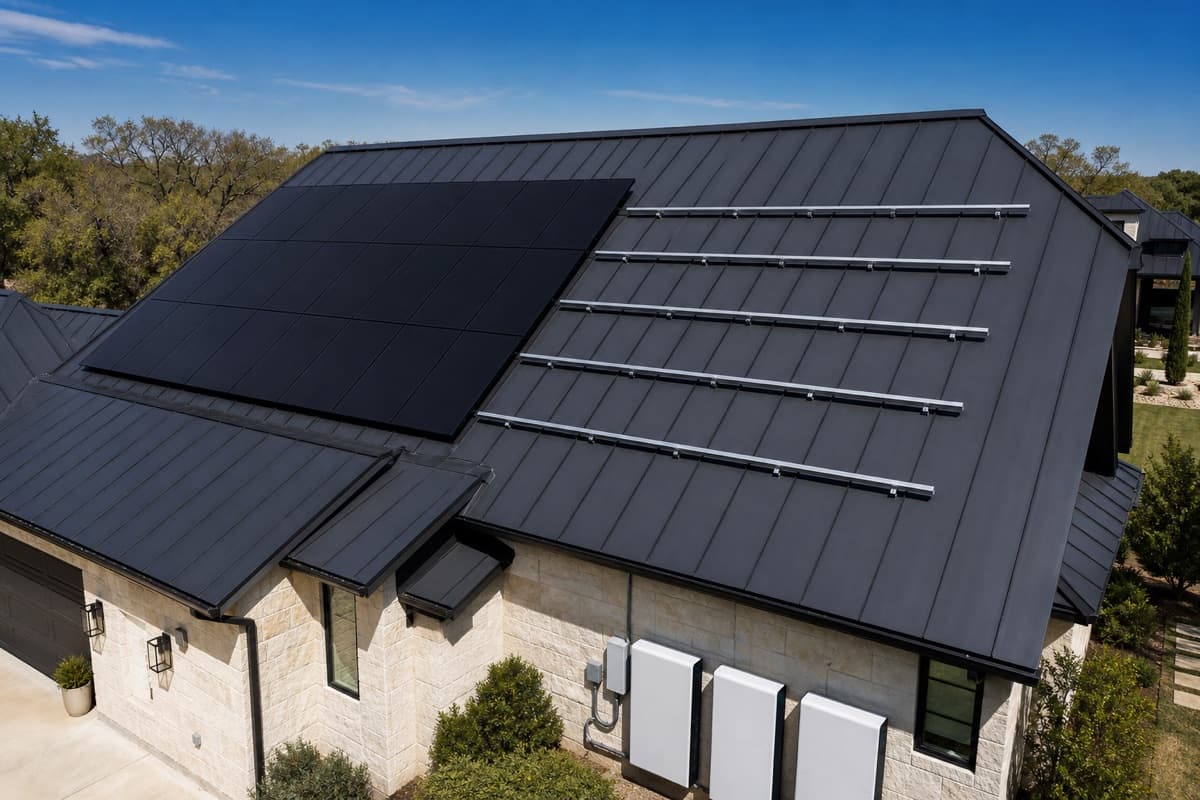
Expand production capacity, take advantage of net metering — usually works with your existing inverter.

Replace older panels with high-efficiency modern ones, add battery, maximize output.
Compatible with





We work with all major inverter brands. Bring your existing system specs to your consult and we’ll design the upgrade around what you have.
It depends on the size you need — a 10 kWh backup runs meaningfully less than a 30+ kWh whole-home setup. On a provider-owned system there is no upfront equipment cost to you at all. On the consult we size it to your actual usage and give you real numbers, not ranges from the internet.
Almost always, yes. The path depends on your inverter type — some pair directly, others use an AC-coupled battery that works with anything. Bring your inverter brand to the consult and we'll design around it.
No. Any credit you legitimately claimed on your original system stays yours — adding to the system later doesn't undo it. What has changed is going forward: homeowners can no longer claim the federal residential solar credit on new equipment. We'll walk through exactly how that affects your options on the consult.
Usually not. We design upgrades around what you have. Full replacement only makes sense when panels are old or underperforming enough that swapping beats adding.
Depends on the size and what you run. A typical 10–20 kWh setup keeps essentials — fridge, lights, internet, some AC — going for 24–48 hours, longer with solar recharging it each day.
They're different plays: battery-only is resilience plus peak-rate arbitrage; battery + panels adds production. We run both scenarios side by side on the consult so you pick with real numbers.
Free 15-minute consult. We’ll design your ideal upgrade around your current setup.